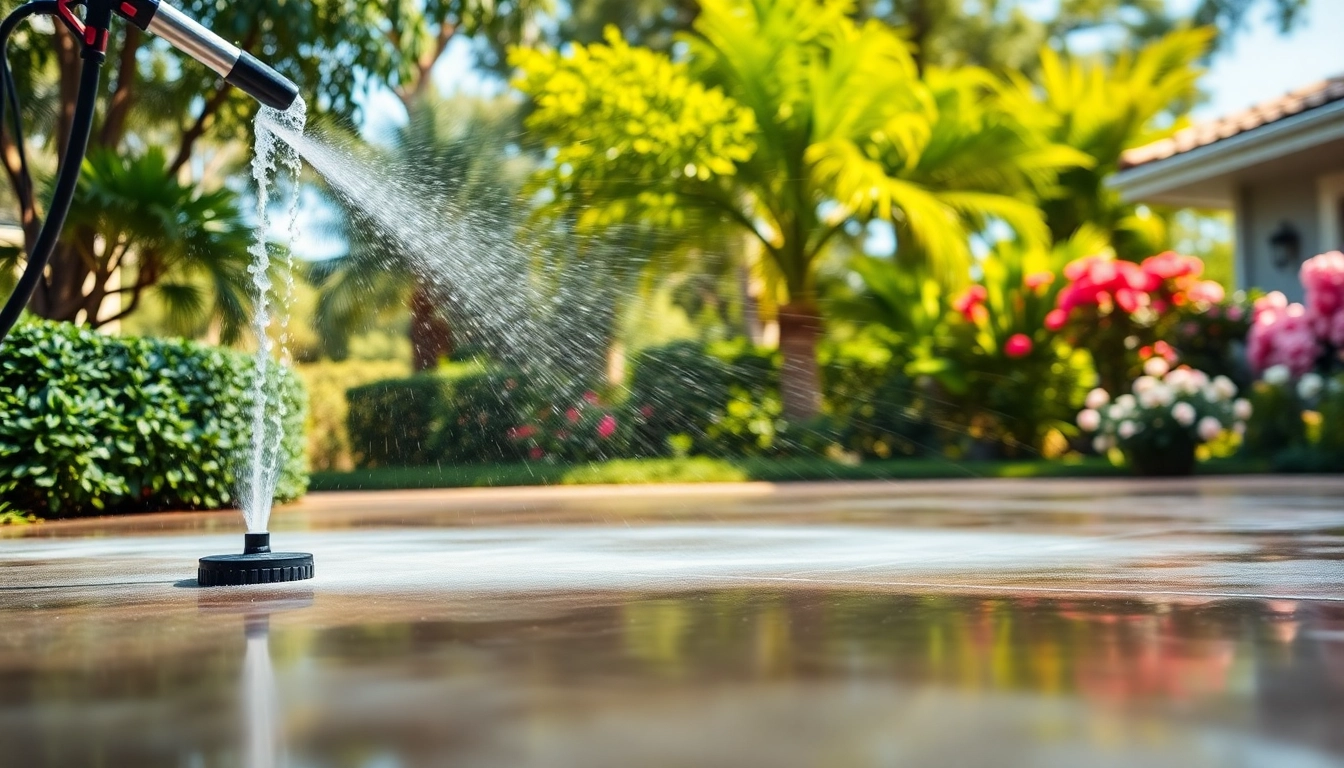
Understanding Driveway Pressure Washing
Driveway pressure washing is an essential service for homeowners looking to maintain the aesthetic and structural integrity of their property. Over time, driveways accumulate dirt, grime, oil stains, mold, and algae, which not only detract from the visual appeal but can also lead to long-term damage if left untreated. Professional pressure washing utilizes high-pressure water jets to effectively clean and restore driveways, enhancing curb appeal and extending the lifespan of the surface. For a reliable driveway pressure wash, exploring local services can provide comprehensive insights into the benefits and methodologies involved.
1. What is Driveway Pressure Wash?
Driveway pressure wash refers to the process of cleaning driveways using specialized equipment that ejects water at high pressure. This technique is effective in removing stubborn stains, dirt, and debris that regular cleaning methods cannot effectively eliminate. The process typically involves using a pressure washer equipped with various nozzles to adjust the water flow and pressure according to the surface being cleaned. For concrete, asphalt, and pavers, power washing can rejuvenate the surface, making it look new again.
2. Benefits of Professional Pressure Washing Services
- Enhanced Curb Appeal: Clean driveways contribute significantly to the overall appearance of your home, making it more inviting for guests and increasing property value.
- Preventative Maintenance: Regular pressure washing helps prevent the growth of mold and algae which can degrade driveway materials over time.
- Effective Stain Removal: Professionals have access to advanced cleaning solutions that effectively break down oil, stains, and other tough residues.
- Time and Labor Savings: Hiring professionals saves you from the labor-intensive process of cleaning the driveway yourself.
3. Key Considerations for Homeowners
When considering driveway pressure washing, homeowners should evaluate several factors:
- Service Provider Reputation: Researching customer feedback and ratings can help ensure you choose a reputable service.
- Experience and Expertise: Consider companies that specialize in pressure washing, as they are likely to have the necessary knowledge and equipment.
- Safety Measures: Ensure that the company follows appropriate safety protocols, especially when using high-pressure equipment and chemical cleaners.
Choosing the Right Equipment for Driveway Washing
1. Types of Pressure Washers: Gas vs. Electric
Understanding the differences between gas and electric pressure washers can help homeowners select the right equipment for their needs. Gas pressure washers tend to offer higher power and are suitable for heavy-duty tasks, making them ideal for cleaning large or heavily stained driveways. In contrast, electric pressure washers are quieter, easier to maintain, and sufficient for lighter cleaning tasks. Choosing the right type depends on the specific requirements of your driveway cleaning project.
2. Essential Accessories for Effective Cleaning
Utilizing the right accessories can enhance the efficiency of your pressure washing efforts:
- Surface Cleaner: A surface cleaner attachment can significantly speed up the process by allowing for a wider cleaning path.
- Extension Wands: These help reach difficult areas without straining your back or arms.
- Turbo Nozzle: A turbo nozzle increases cleaning power by combining a rotary motion at high pressure.
3. Recommended PSI and GPM for Driveway Cleaning
The effectiveness of pressure washing largely depends on the Pressure per Square Inch (PSI) and Gallons per Minute (GPM) ratings of the machine. For driveway cleaning:
- PSI: A range of 2,500 to 3,000 PSI is recommended for most standard driveways.
- GPM: A minimum of 2.5 GPM will ensure adequate water flow for effective cleaning.
- Soft Washing: For more delicate surfaces, soft washing with lower pressure and specialized chemicals can prevent damage.
Step-by-Step Guide to Driveway Pressure Washing
1. Preparatory Steps: Clearing the Area
Before beginning the pressure washing process, it's crucial to prepare the area. Remove any vehicles, furniture, or debris from the driveway. Clear any loose dirt or gravel and inspect the surface for cracks or damage that may require attention prior to washing.
2. Applying the Right Cleaning Solutions
Using a suitable cleaning solution can enhance the effectiveness of pressure washing. For stains, oil, and grease, consider applying a degreaser or a specialized driveway cleaner beforehand to maximize results. Allow the cleaner to sit for a few minutes for optimal penetration.
3. Correct Techniques for Optimal Results
- Hold the Wand Correctly: Maintain a consistent distance (about 12 inches) from the surface, using sweeping motions to ensure even coverage.
- Work in Sections: Divide the driveway into sections, washing one section at a time to avoid leaving streaks.
- Rinse Thoroughly: After washing, rinse the area with clean water to remove any remaining soap or debris.
Safety Precautions During Driveway Pressure Washing
1. Protective Gear and Equipment
Safety should always be a priority during pressure washing. Wear protective goggles to shield your eyes from debris, gloves to protect your hands, and non-slip shoes to ensure stability. Additionally, ear protection may be advisable when using gas-powered pressure washers.
2. Safe Handling of Pressure Washers
Proper handling of pressure washing equipment is crucial. Always read the manufacturer's instructions, avoid pointing the nozzle at yourself or others, and never operate the washer on unstable surfaces. Ensure that all connections are secure and inspect hoses for leaks before use.
3. Environmental Considerations and Compliance
When using chemical cleaners, ensure they are eco-friendly and compliant with local regulations. Avoid washing driveways near storm drains to prevent runoff contamination, and consider using water reclamation systems when available to minimize environmental impact.
Maintaining Your Driveway After Pressure Washing
1. Regular Maintenance Tips to Prevent Build-Up
To keep your driveway in tip-top shape, consider incorporating the following maintenance routines:
- Regular Sweeping: Regularly sweep away leaves and debris to prevent staining and algae growth.
- Stain Treatment: Address any new stains as soon as possible to prevent them from setting in.
- Annual Pressure Washing: Schedule a professional pressure wash annually to keep your driveway looking its best.
2. Seasonal Considerations for Driveway Care
Seasonal changes can impact driveway maintenance. In colder months, applying a sealant can protect against ice damage, while during wet seasons, maintaining drainage paths is crucial to prevent water pooling.
3. When to Schedule Professional Services Again
Generally, scheduling a professional driveway pressure wash every 12 to 24 months is advisable, depending on factors like climate, vegetation, and driveway usage. Homeowners should also consider immediate professional cleaning if they notice significant stains or growth of mold and algae.